Does Reverse Osmosis Remove Minerals and Is RO Water Bad for You?
If you’ve been shopping for a drinking water system, you’ve probably seen this debate everywhere: “Reverse osmosis strips out all the minerals… so isn’t RO water bad for you?”

1. Yes. Reverse Osmosis Removes Minerals (That’s Normal)
Reverse osmosis works by pushing water through a semi-permeable membrane that blocks many dissolved solids. That includes naturally occurring minerals like calcium and magnesium - the same minerals that cause scale and hardness.
So yes, RO water typically has a lower mineral content than tap water.
But here’s the key: the reason people buy RO isn’t to keep minerals. It’s to reduce contaminants and improve taste. When you evaluate a drinking water system, the more important question is not “does it remove minerals?” but:
What is it removing that you don’t want in your body?
This is the part most people miss.
Minerals are essential for health ,absolutely! But drinking water is not a major source of them for most people. The minerals your body needs primarily come from:
- Food (vegetables, fruits, grains, dairy, meats, legumes)
- Supplements (if needed based on diet/health goals)
Even in places where water contains more minerals, it usually contributes a small fraction compared to a balanced diet. If your goal is to increase mineral intake, the most reliable path is through nutrition not through your tap water.
So while RO reduces minerals in the water, that’s generally not a meaningful health loss for most households.
3. The “Minerals vs Contaminants” Trade-Off Is Often Backwards
A common argument goes like this:
“I want to keep minerals in my water, so I don’t want RO.”
But that logic often ignores what may still remain in untreated drinking water depending on your source (city or well), plumbing, and local conditions.
A better way to think about it is:
- Are minerals in water good for you? Yes.
- Is water a meaningful mineral source? Usually no.
- Can water contain contaminants you don’t want? Yes.
So the practical priority is usually:
Reduce what you don’t want (contaminants) and get your minerals from food.
4. What Reverse Osmosis Can Help Reduce
Reverse osmosis is known for having one of the broadest ranges of reduction among common residential drinking water treatments.
Depending on the system design and your water conditions, RO can help reduce things like:
- Lead (especially important in older plumbing)
- Various dissolved solids that affect taste and clarity
- Certain chemical contaminants (the exact list depends on the system and certifications)
- Many “emerging contaminants” can also be reduced and that matters because we don’t always know what will be the next big concern
It’s important to say this clearly: not all RO systems are equal. Stages matter (especially carbon stages), water pressure matters, and the best approach is always:
✅ Test your water and choose equipment that’s rated/certified for the contaminants you’re targeting.
5. What About “Alkaline Water” and Remineralization?
Some homeowners want RO water and want to add minerals back for taste, or to feel better about “mineral content.” That’s where post-filters come in.
Many modern systems offer a remineralization or alkaline mineral post-filter that adds a small amount of minerals back after the RO membrane.
Here’s how we frame it at Quinn Water Systems:
- Remineralization can improve taste (many people prefer it)
- It can add a “smoother” mouthfeel
- But it’s not a substitute for nutrition, and it shouldn’t be the main reason you choose a system
If you like the taste and experience of mineral water, a remineralization stage is a great add-on. Just keep expectations realistic: it’s primarily a taste/comfort feature, not your primary mineral strategy.
6. “RO Wastes Water”. True, But Put It in Context
Another common complaint is that RO produces reject water (often called “waste water”) as part of the filtration process.
What is RO “wastewater,” really?
Reverse osmosis works by pushing water through a semi-permeable membrane. That membrane blocks a wide spectrum of dissolved impurities. To keep the membrane clean and functioning properly, the system continuously flushes away the concentrated contaminants on the “reject” side of the membrane. That flushed water is what people call “wastewater.”
A better term is reject water or concentrate because it’s not sewage, and it isn’t contaminated by your home. It’s simply the portion of incoming water used to carry away what the membrane is removing.
Why do older RO systems waste more water?
RO efficiency is heavily affected by water pressure, water temperature, membrane quality, and system design. Many basic under-sink RO units rely on standard membranes without advanced recovery features. In real-world conditions (especially where pressure is low), those systems can run at ratios like 3:1 or even 4:1 meaning 3–4 gallons to drain for every 1 gallon of purified water produced.
That’s where the “RO wastes a ton of water” reputation comes from.
But RO technology has improved. Today, high-efficiency systems can significantly reduce reject water while still producing excellent water quality.
Our new RO option is designed to operate at approximately 1:1 in typical home conditions.What that means:
- Make 1 gallon of RO drinking water → roughly 1 gallon goes to drain
- Compared to a 4:1 system, that can reduce reject water by up to 75%
For most families, this makes RO a much easier “yes.”
“But is the reject water amount actually big?”
Here’s the part many homeowners miss: most households don’t drink that much water from the RO tap.
A typical family might use 2–5 gallons per day of RO water for drinking, cooking, coffee/tea, baby bottles, and pets.
With a 1:1 system, that’s roughly 2–5 gallons/day sent to drain.
Put that in context:
- One standard shower can use far more than that.
- Laundry, dishwashers, and long hand-washing sessions often use much more water than the daily reject flow from a high-efficiency RO.
In other words: if your goal is cleaner drinking water, a high-efficiency RO’s reject water is usually a
small tradeoff and with 1:1, it’s dramatically smaller than what people imagine.
Our Solution
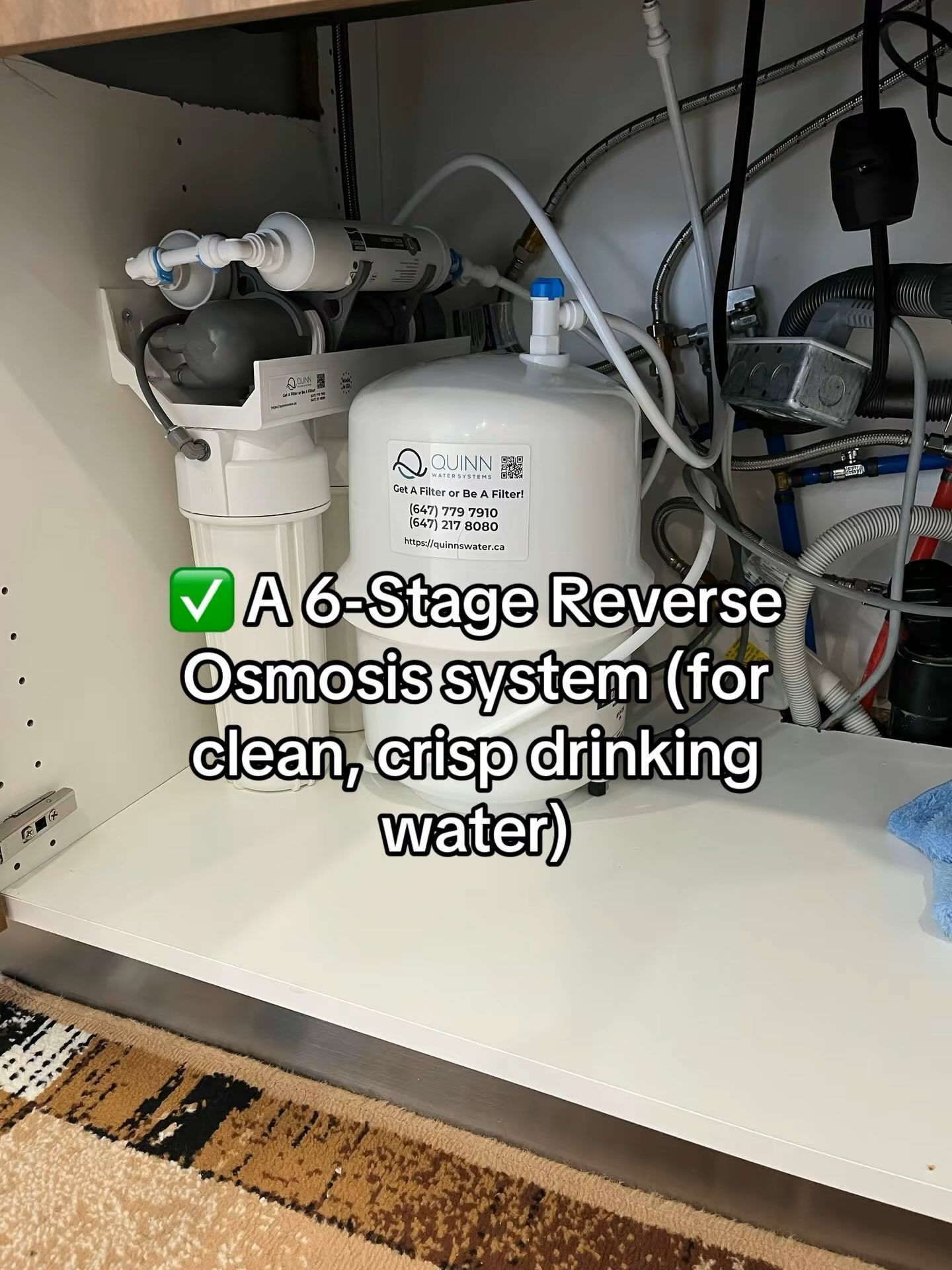
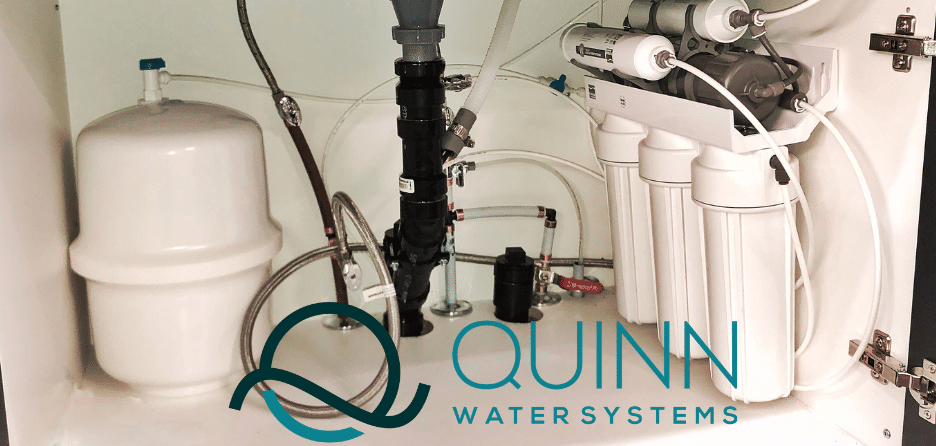
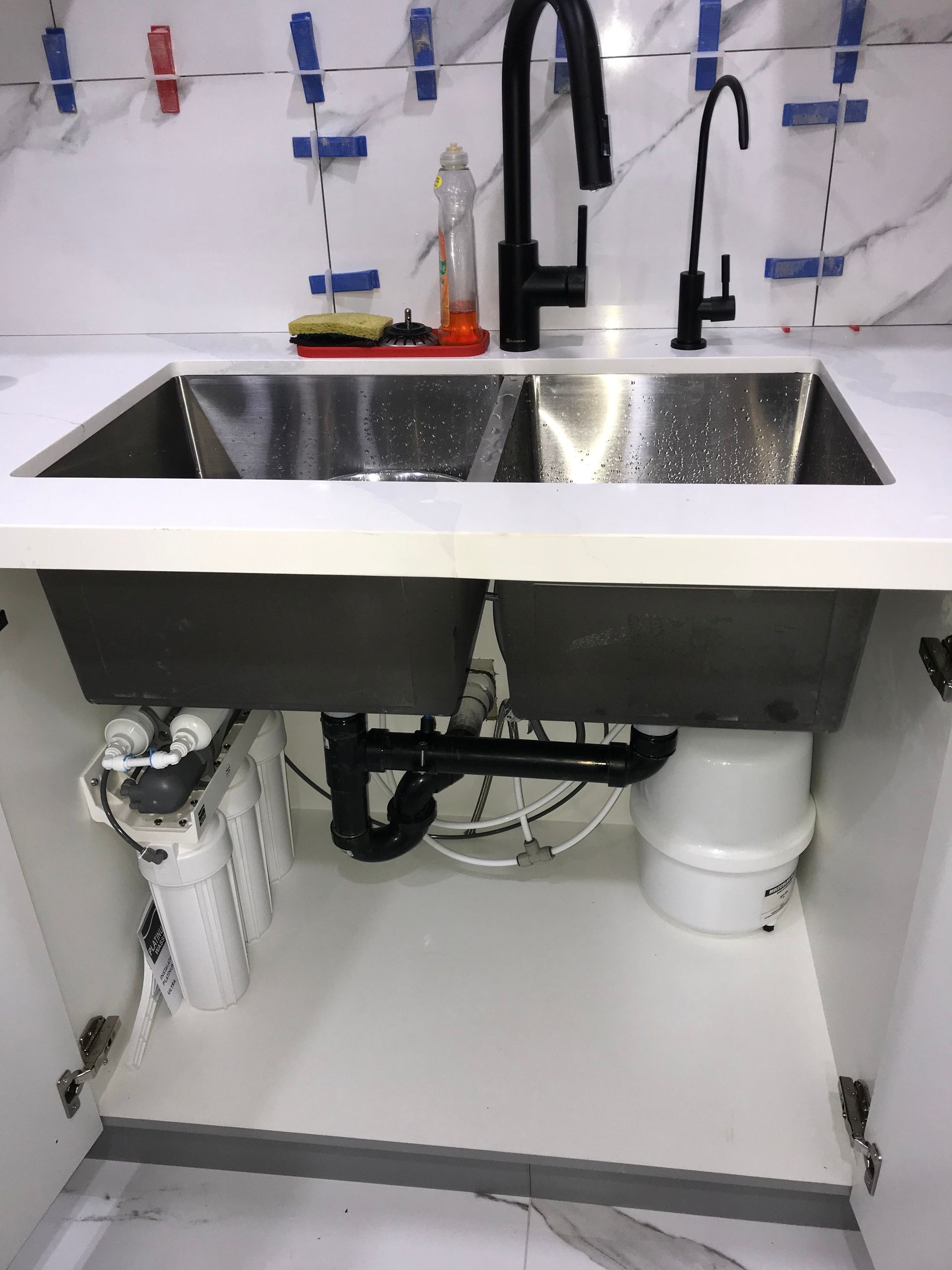
If you want the best of both worlds, we often recommend a 6-stage reverse osmosis system with an alkaline/mineral post-filter RO purity plus improved taste.
If you’re on city water or well water and want the right setup, start with a water test and we’ll size the system properly for your home.
Need help choosing an RO system?
Message Quinn Water Systems with your city/well source and what you’re trying to fix (taste, chlorine/chloramine, lead concerns, TDS, etc.).
Contact Us
Share this blog
Blog Posts