Iron, Sulfur, Hardness: What’s Really in Your Ontario Well Water?
If you rely on a private well for your home’s water supply, you’re not alone—thousands of homeowners across Ontario do. But unlike city water, well water comes with its own set of challenges.

At Quinn Water Systems, we get calls every week from people across York Region, Simcoe County, and the GTA asking questions like:
- “Why does my water smell like rotten eggs?”
- “What are those red stains on my sinks and toilets?”
- “Why is my water so hard?”
In this post, we’ll break down the most common contaminants in Ontario well water—and what you can do to protect your health, your appliances, and your peace of mind.
🧪 1. Iron: The Silent Stainer
What it is:
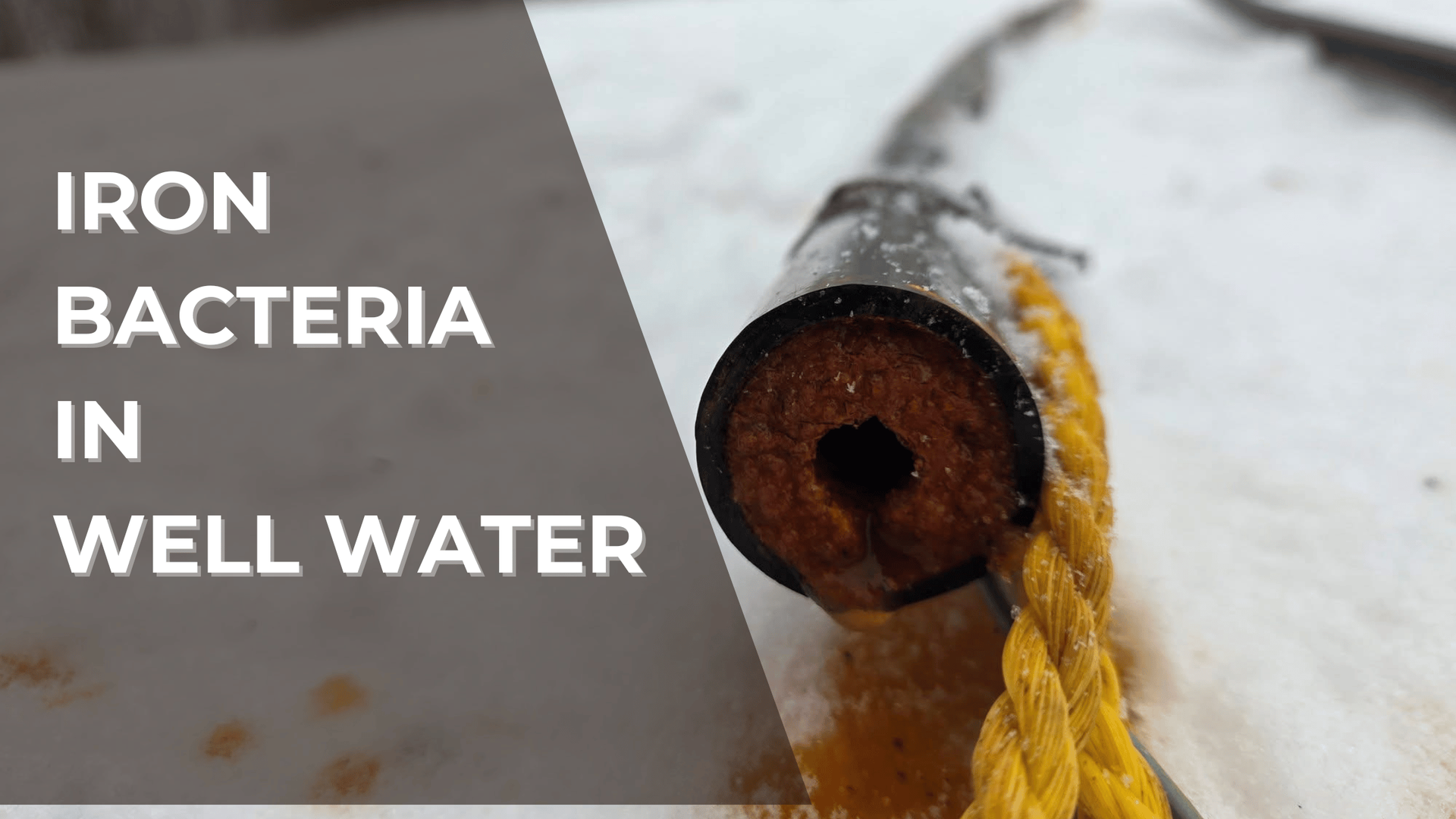
Iron is a naturally occurring mineral found in groundwater across many regions of Ontario, especially in rural areas and older wells.
Signs of iron in your water:
- Orange or reddish stains on sinks, tubs, toilets, and laundry
- Metallic taste in drinking water
- Clogged pipes or water-using appliances
Why it’s a problem:
While not considered a health risk at low levels, excess iron can ruin your fixtures, shorten the lifespan of your appliances, and cause frustration with stained clothes and dishes.
How to fix it:
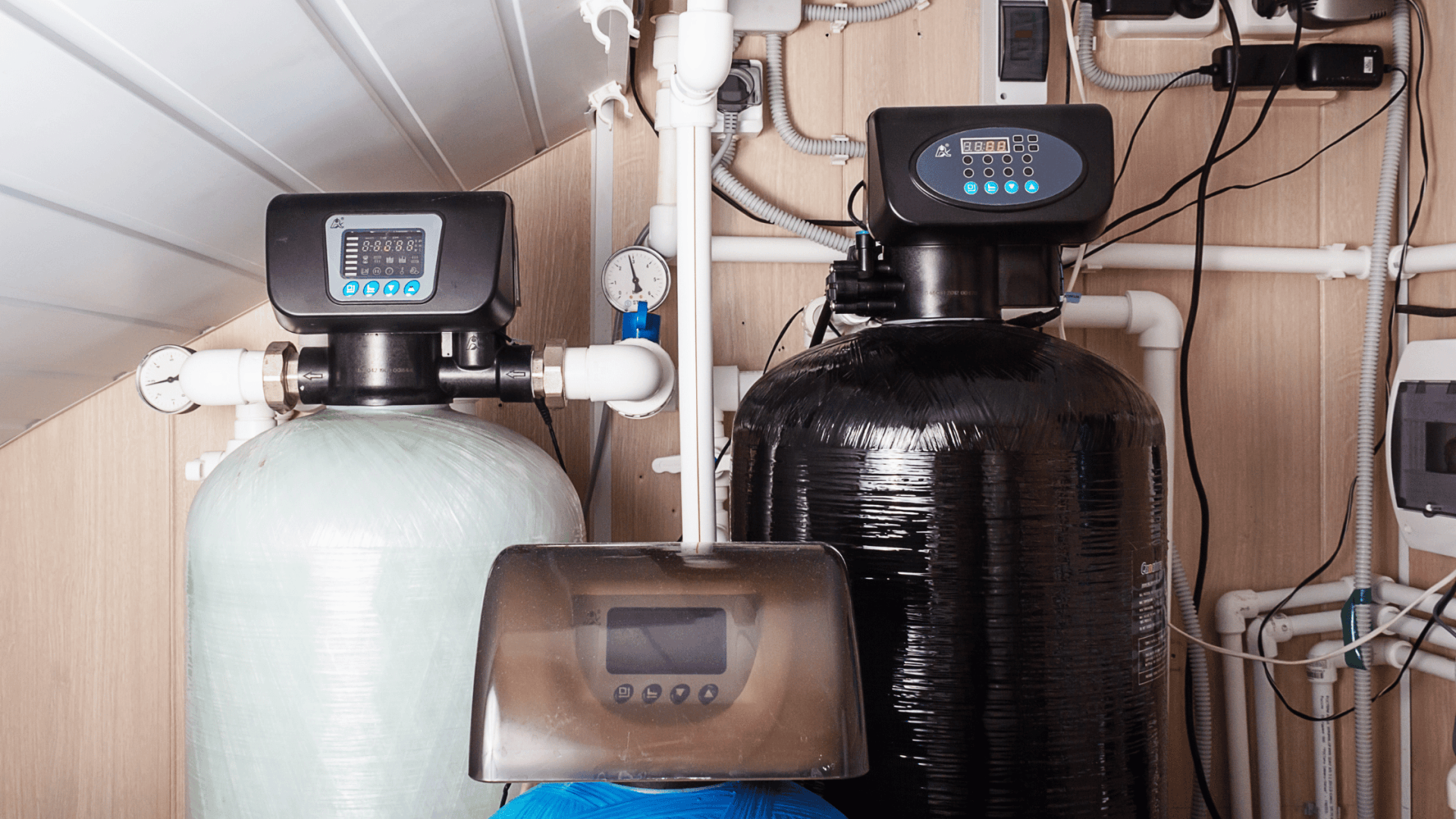
An Iron Filter System, often combined with air injection or oxidizing media, removes both ferrous (clear) and ferric (rusty) iron before it enters your home’s plumbing.
🧂 2. Hardness: The Appliance Killer
What it is:
Hard water is high in dissolved calcium and magnesium. In many parts of Ontario, well water hardness is 15–30+ grains per gallon (gpg)—classified as very hard.
Signs of hard water:
- White scale buildup on faucets and showerheads
- Soap that doesn’t lather
- Dry, itchy skin and brittle hair
- Reduced lifespan of hot water heaters and dishwashers
Why it’s a problem:
Hard water doesn’t just dry your skin—it builds up inside pipes and appliances, leading to expensive repairs or replacements. It also makes soaps and detergents less effective.
How to fix it:
A salt-based water softener is the most effective solution. It removes hardness minerals through ion exchange, protecting your plumbing, skin, and wallet.
3. Sulphur: The Rotten Egg Smell
What it is:
That “rotten egg” odour is hydrogen sulphide gas, which can occur in well water due to decaying organic matter or sulphur bacteria.
Signs of sulphur in your water:
- Strong smell from taps, especially hot water
- Black stains in toilets or sinks
- Bad taste in drinking water
Why it’s a problem:
Besides the smell, hydrogen sulphide can corrode metal plumbing and even lead to respiratory irritation in high concentrations.
How to fix it:
We recommend Air Injection Oxidation systems or chlorination/dechlorination systems that safely neutralize sulphur gas and make your water smell—and taste—fresh again.
🔬 What’s Actually in Your Well Water?
Every well is different, and so is every water solution.
At Quinn Water Systems, we always start with a comprehensive water test to determine what your well water really contains. From there, we custom-design a system that fits your home, your budget, and your long-term needs.
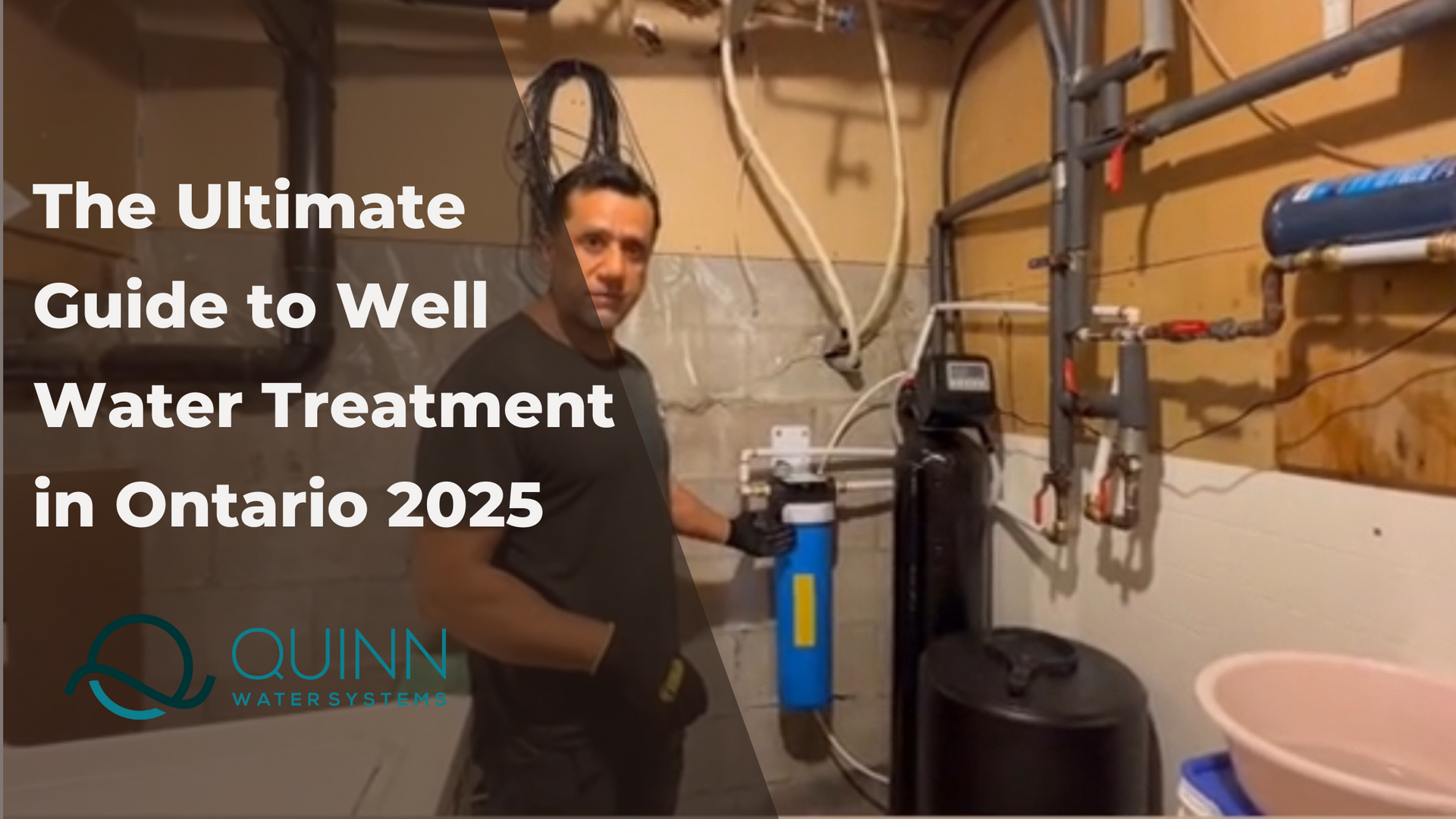
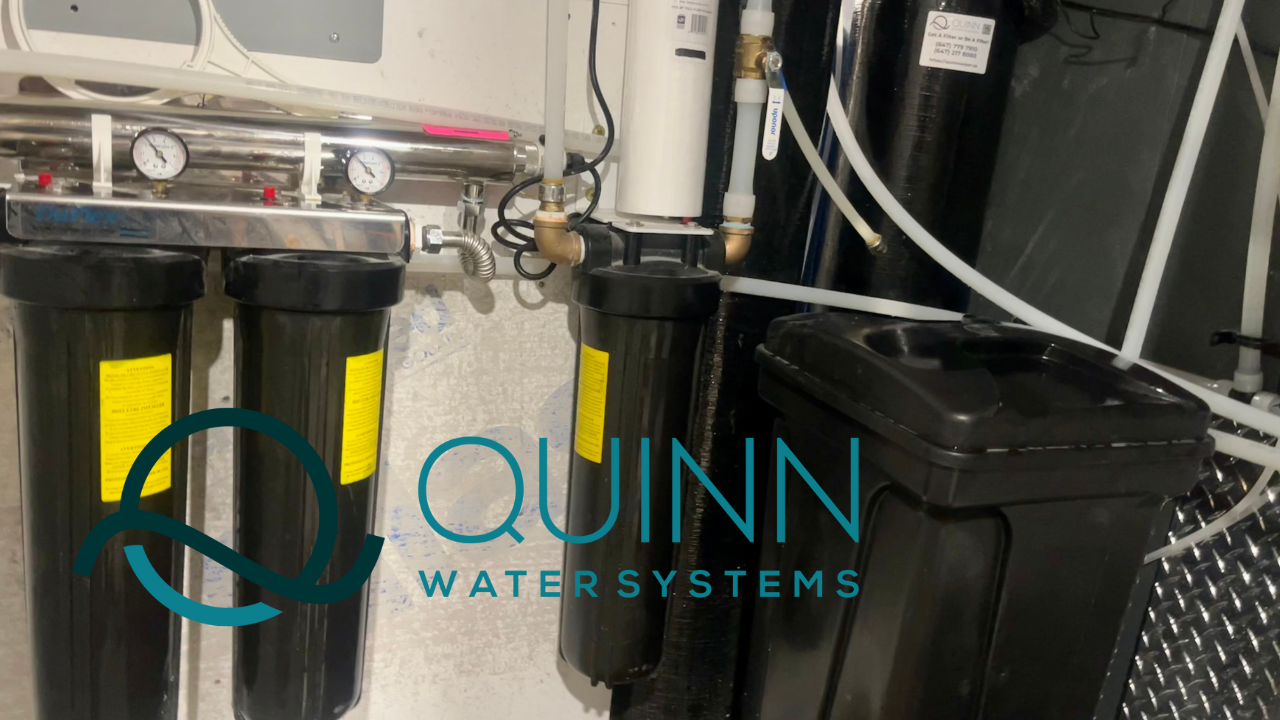
Most systems for Ontario well water include:
- Sediment pre-filter
- UV disinfection
- Water Softener
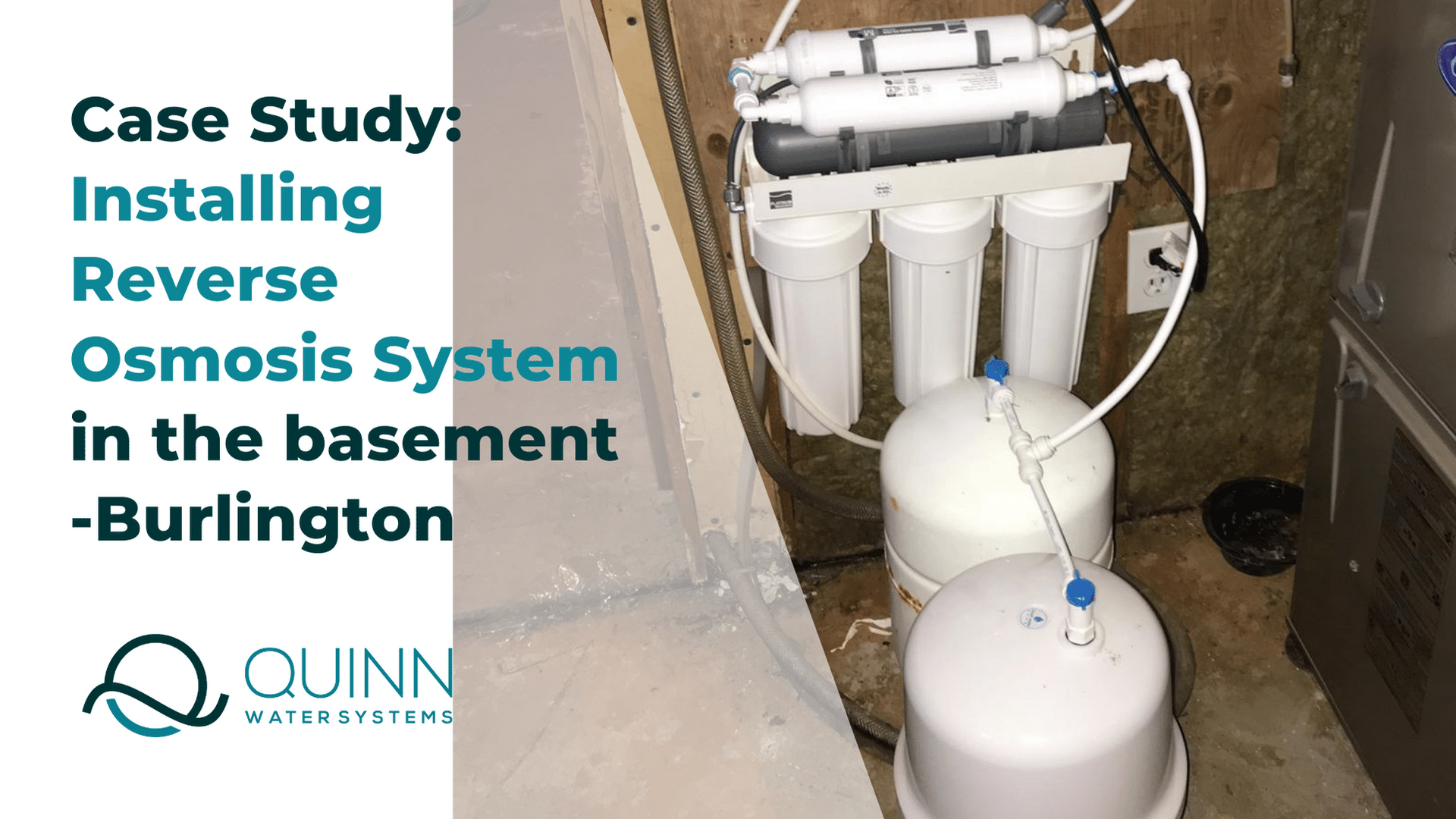
- Reverse osmosis system for drinking water
- Optional Iron and Sulphur Filter
✅ Ready to Treat Your Well Water?
If your water smells bad, stains your fixtures, or damages your appliances—it’s time to get a proper water treatment system in place.
📍 Serving Richmond Hill, New Tecumseth, North York, Simcoe, Innisfil, Bradford, Vaughan, and surrounding areas.
🧪 Book your
free in-home water test with our certified technicians today.
We'll test your water, explain what’s in it, and build a custom solution—no pressure, just answers.
📲 Message us at quinnswater.ca or call us directly to book your appointment.
Contact Us


Contact Us
Share this blog
Blog Posts