Why Does My Water Still Taste Weird After Installing a Water Softener?
If you installed a water softener and your water still tastes weird, you’re not alone.

The truth is simple: a water softener doesn’t purify your drinking water . Its main job is to protect your plumbing and appliances by removing hardness minerals: calcium and magnesium that cause scale buildup.
What a Water Softener Actually Does?
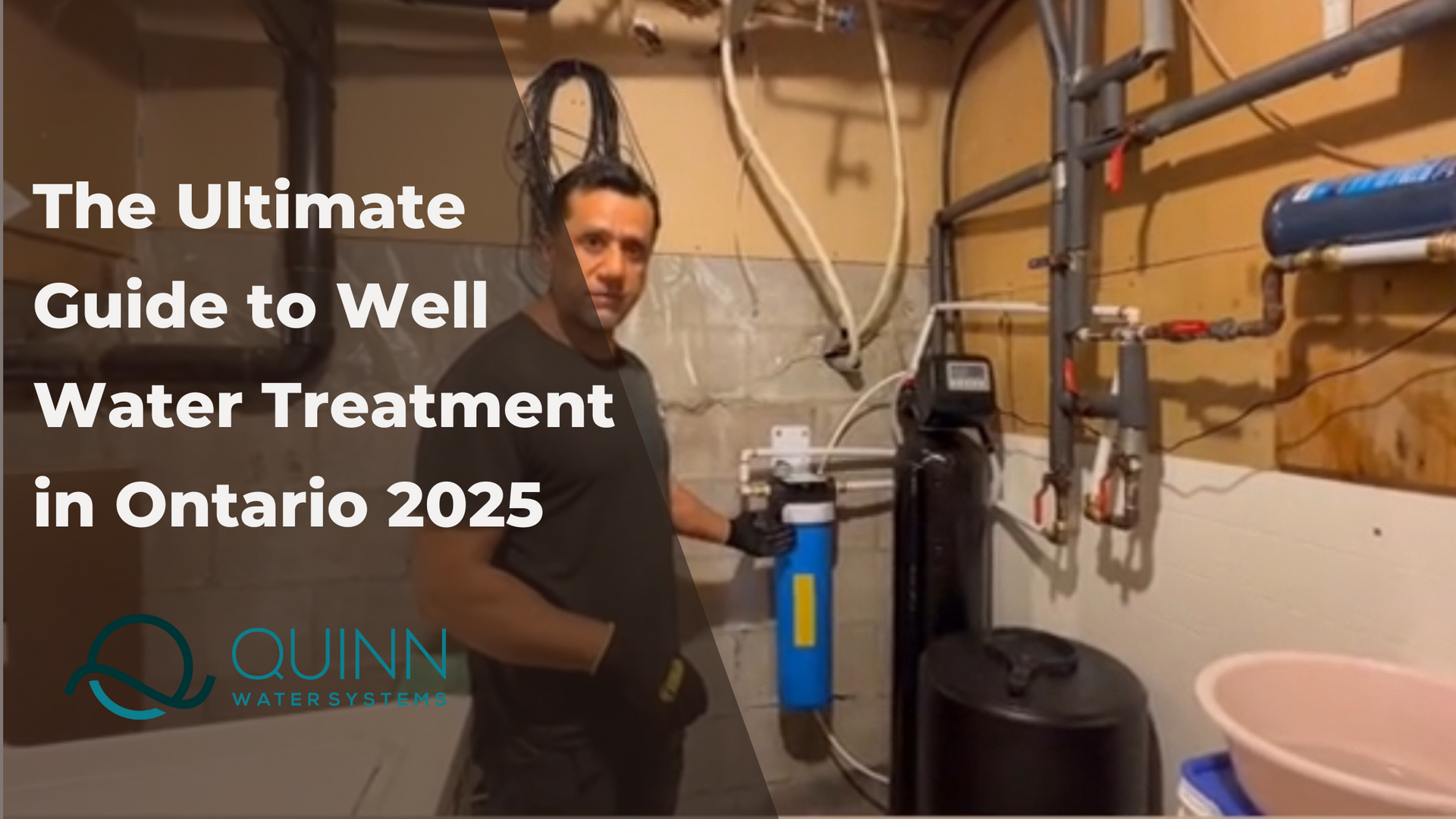
A softener works through ion exchange. Inside the mineral tank are tiny resin beads designed to attract and trap calcium and magnesium. As hard water flows through, those hardness minerals stick to the beads and are swapped for sodium (or potassium) ions. When the beads become saturated, the system regenerates by flushing with a brine solution from the salt tank, washing the trapped minerals away and “recharging” the beads to keep softening.
Why Softened Water Can Taste Strange?
Because the softener replaces hardness minerals with sodium, the water chemistry changes. That can create a taste some people describe as flat, slippery, or slightly salty especially if your water was very hard to begin with. If anyone in your home follows a sodium-restricted diet, softened water may not be the best choice for drinking (though it’s excellent for showers, laundry, and protecting fixtures).
How to Fix Weird-Tasting Softened Water?
If the taste issue is caused by sodium and dissolved solids, there are only two reliable ways to remove them:
- Distillation : effective, but slow and energy-heavy
- Reverse Osmosis (RO) : fast, efficient, and extremely pure.
That’s why water professionals typically recommend pairing a softener with a dedicated drinking water system.
Read more:
Distilled vs Reverse Osmosis for drinking water. Which one is better?
The Quinn Water Systems Solution
At Quinn Water Systems, we install 6-Stage Reverse Osmosis Systems that:
- Remove sodium and total dissolved solids (TDS)
- Reduce chlorine, chemicals, and metals
- Improve taste immediately
- Add back healthy minerals for a crisp, clean finish
If your softened water still tastes “off,” it’s not your taste, it’s your setup. Add a high-quality RO system and enjoy clean, refreshing, spring-quality water right from your tap.
A
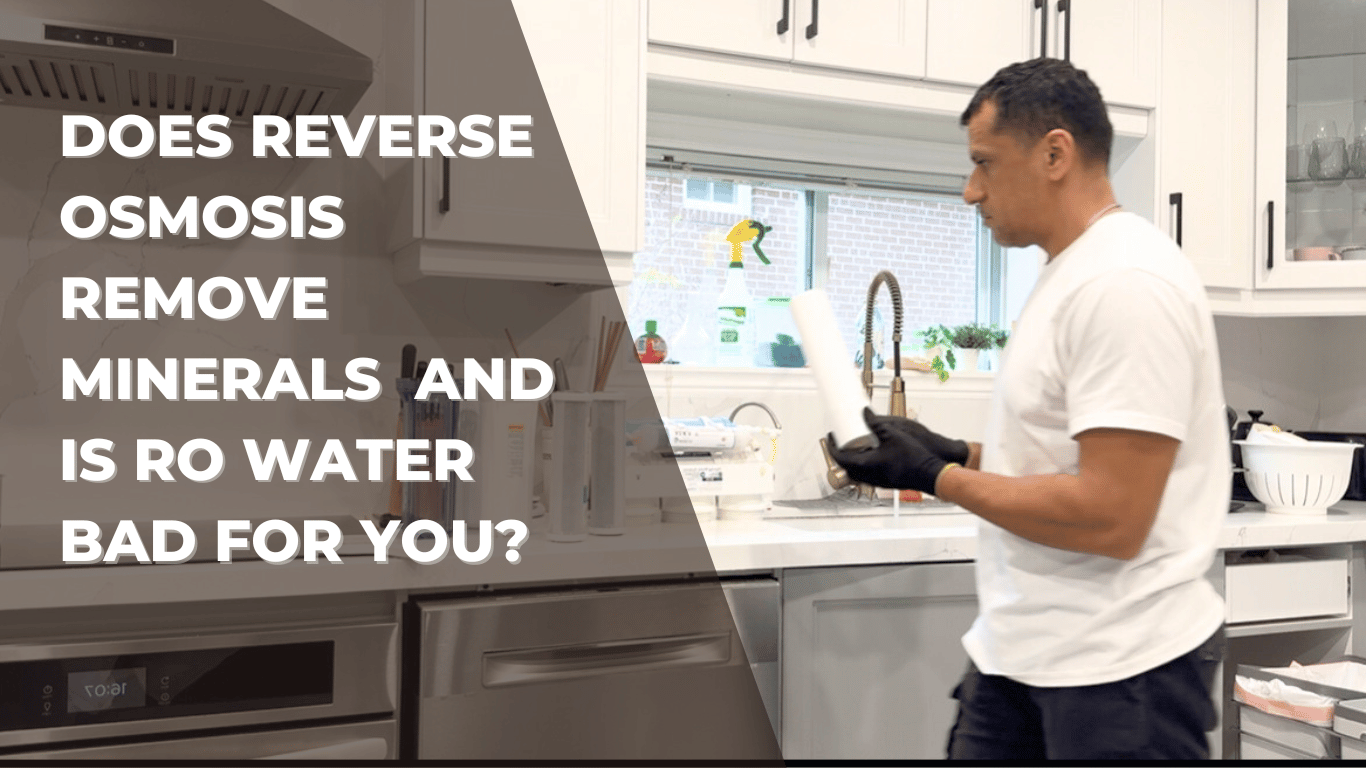
6-stage reverse osmosis (RO) system is designed specifically for
drinking water, not whole-home protection so it targets the stuff a softener can’t. First, pre-filters (typically sediment + carbon) trap fine particles and reduce chlorine/chloramine that can damage the RO membrane and cause “pool-water” taste.
Next, the RO membrane does the heavy lifting by removing the majority of
dissolved salts (including sodium), metals, and total dissolved solids (TDS) the invisible compounds that often make water taste flat or bitter. After that, a polishing carbon stage fine-tunes the flavour, and the final “remineralization” stage adds back small amounts of minerals for a
crisp, clean finish that tastes closer to bottled spring water. Because it runs at a dedicated faucet and stores purified water in a small tank, you get consistently great-tasting water on demand without affecting the soft water you want for showers, laundry, and protecting your plumbing.
Contact Us
Share this blog
Blog Posts