Iron Bacteria in Well Water: Slime in Toilet Tank, Clogged Filters, and the Most Effective Fix (Ontario)
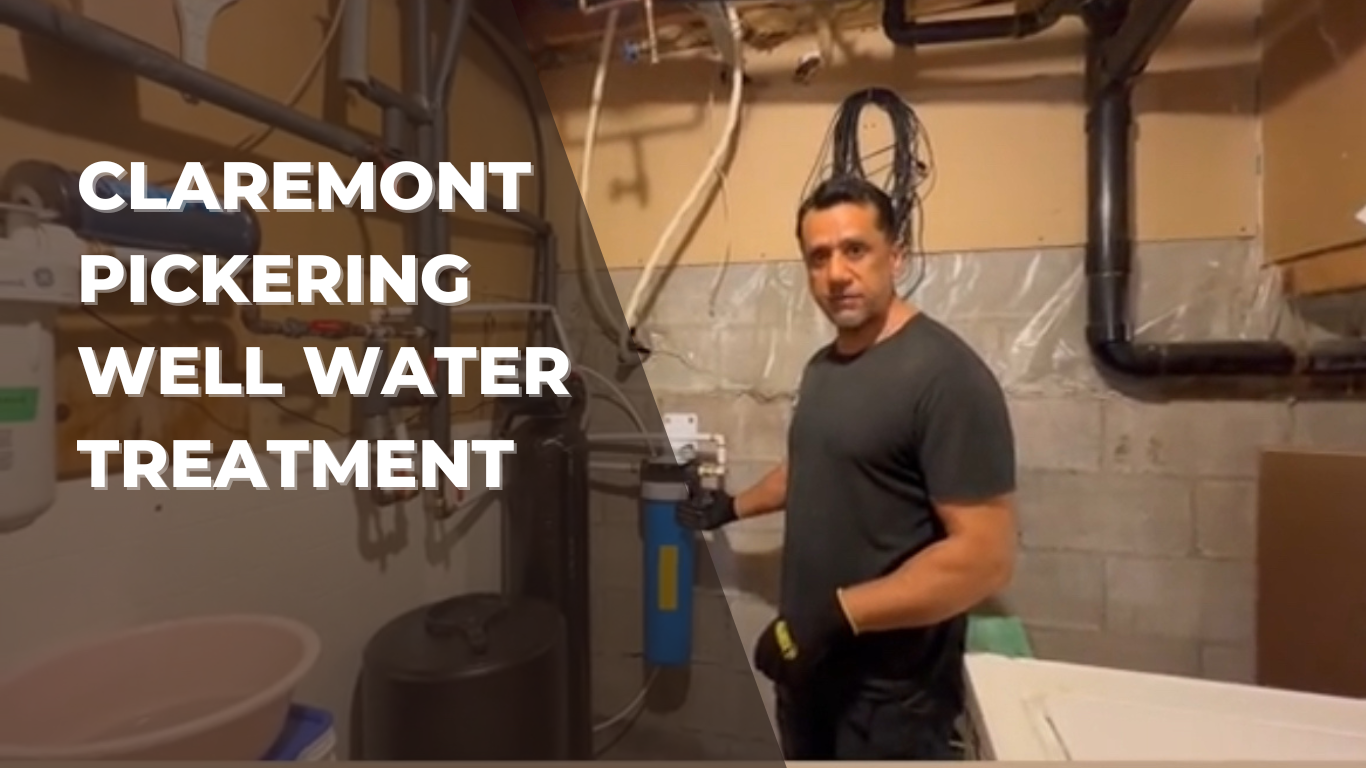
If you’re on well water in Ontario 🇨🇦 and you’ve noticed orange/brown slime in the toilet tank, rusty smears on fixtures, or filters clogging fast, there’s a good chance you’re dealing with iron bacteria.
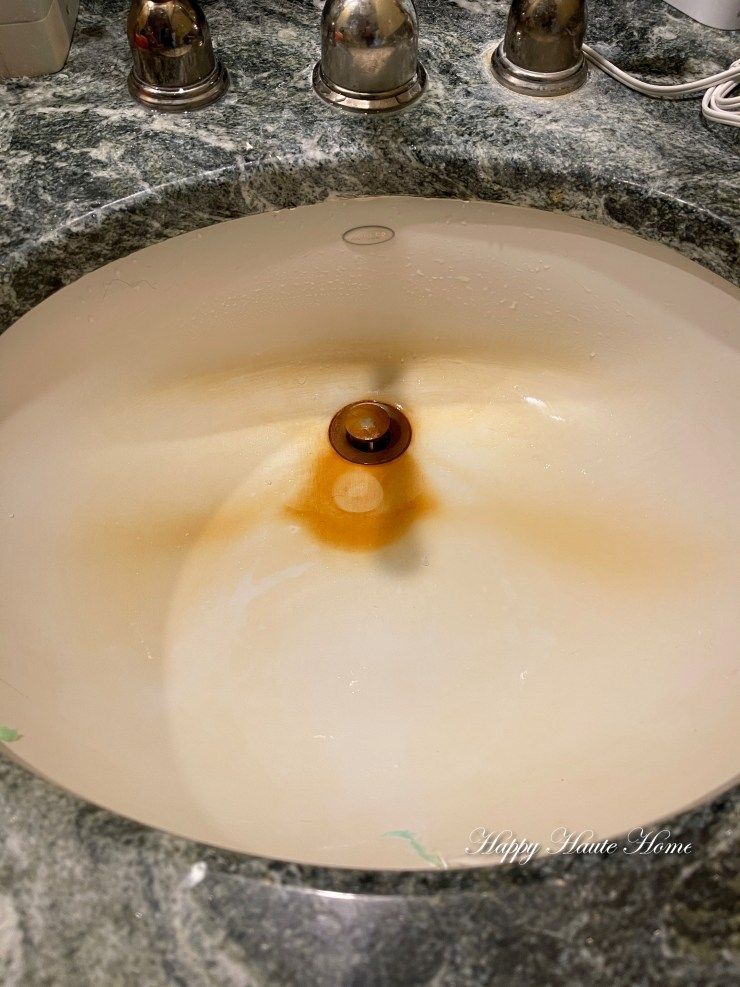
Homeowners often describe it as “gross” more than “dangerous” and that’s actually a useful clue. Iron bacteria problems are usually about aesthetics, maintenance, and plumbing headaches, but they can also be a sign you should take a closer look at your well water quality overall.
What is iron bacteria (and why does it look so nasty)?
Iron bacteria are naturally occurring microorganisms that feed on iron (and sometimes manganese) in water. They don’t “make iron,” but they can turn dissolved iron into a sticky biofilm, creating that slimy orange-brown buildup you’ll see in toilet tanks, filter housings, and sometimes on shower heads and faucets.
This biofilm can:
- Trap sediment and minerals, creating thick gunk in plumbing
- Accelerate staining (toilets, tubs, sinks, laundry)
- Plug filters quickly, even brand-new cartridges
- Create odours that range from “earthy/swampy” to “metallic” depending on your water chemistry
Is iron bacteria in well water safe to drink?
In most cases, iron bacteria themselves are not considered a direct health risk for healthy adults. The main issues are taste, staining, smell, and system performance. That said, if you’re seeing slime and buildup, it’s smart to test because Ontario wells can also have other contaminants (like coliform bacteria, E. coli, nitrates, or manganese) that do matter for health.
Bottom line: Iron bacteria often isn’t the “danger,” but it can be a
red flag that your well needs proper testing and treatment.
Why your filters keep clogging fast?
This is where many homeowners get stuck: they install a “bigger” cartridge filter and it still plugs. The reason is simple:
Iron bacteria create biofilm. Biofilm clogs everything.
Even if a cartridge filter can catch some of the physical slime, it doesn’t kill the bacteria or stop the colony from growing downstream. The result is constant filter changes, pressure drops, and frustration especially in winter when you just want things to work.
The most effective fix: treat the cause, then filter the results
For recurring iron bacteria, the best approach is usually a two-stage strategy:
1. Oxidation/disinfection (to stop the biofilm)
This is typically done with an injection system:
- Chlorine injection: very common and effective at killing bacteria and oxidizing iron.
- Hydrogen peroxide injection: also effective and often preferred by homeowners who want no chlorine smell.
The injection system targets the bacteria and helps convert dissolved iron into a form that can be removed.
2. Contact time + proper filtration (to remove what you oxidize)
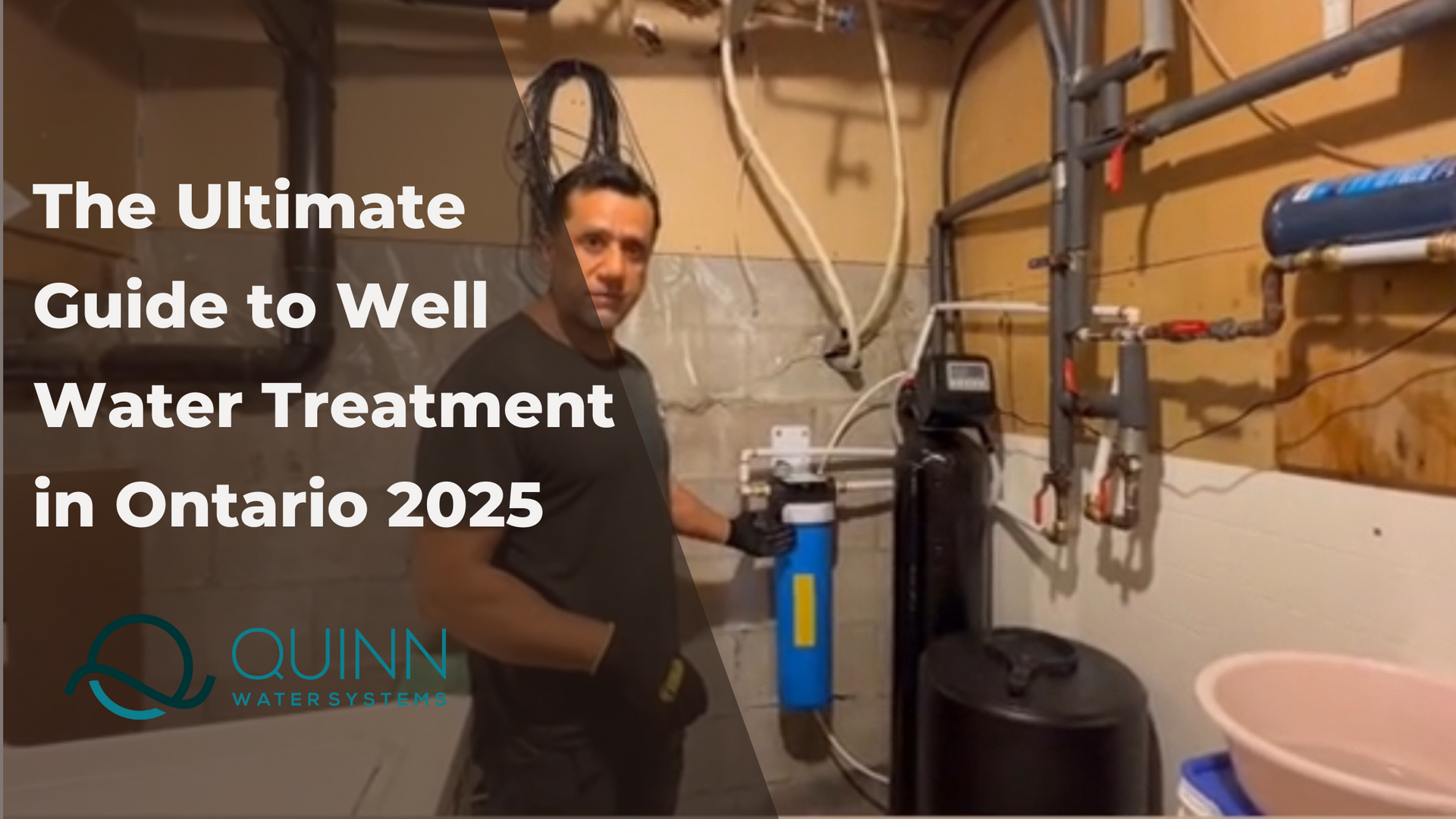
Injection works best with contact time often a retention/contact tank so the chemistry has enough time to react. After that, you install the right filter media to handle the load.
For iron bacteria situations, you’ll typically want a backwashing filter (not just a cartridge) because it can:
- handle higher iron/biofilm loads
- clean itself through backwash cycles
- prevent constant clogging and pressure loss
What about shocking the well?
A shock chlorination (pouring a measured amount of chlorine into the well and flushing) can help, especially as a short-term reset. Some homeowners do this periodically. But if the bacteria keeps coming back, shock treatment alone often becomes a repeating cycle , temporary relief, then the slime returns.
What to test (for Ontario well owners)
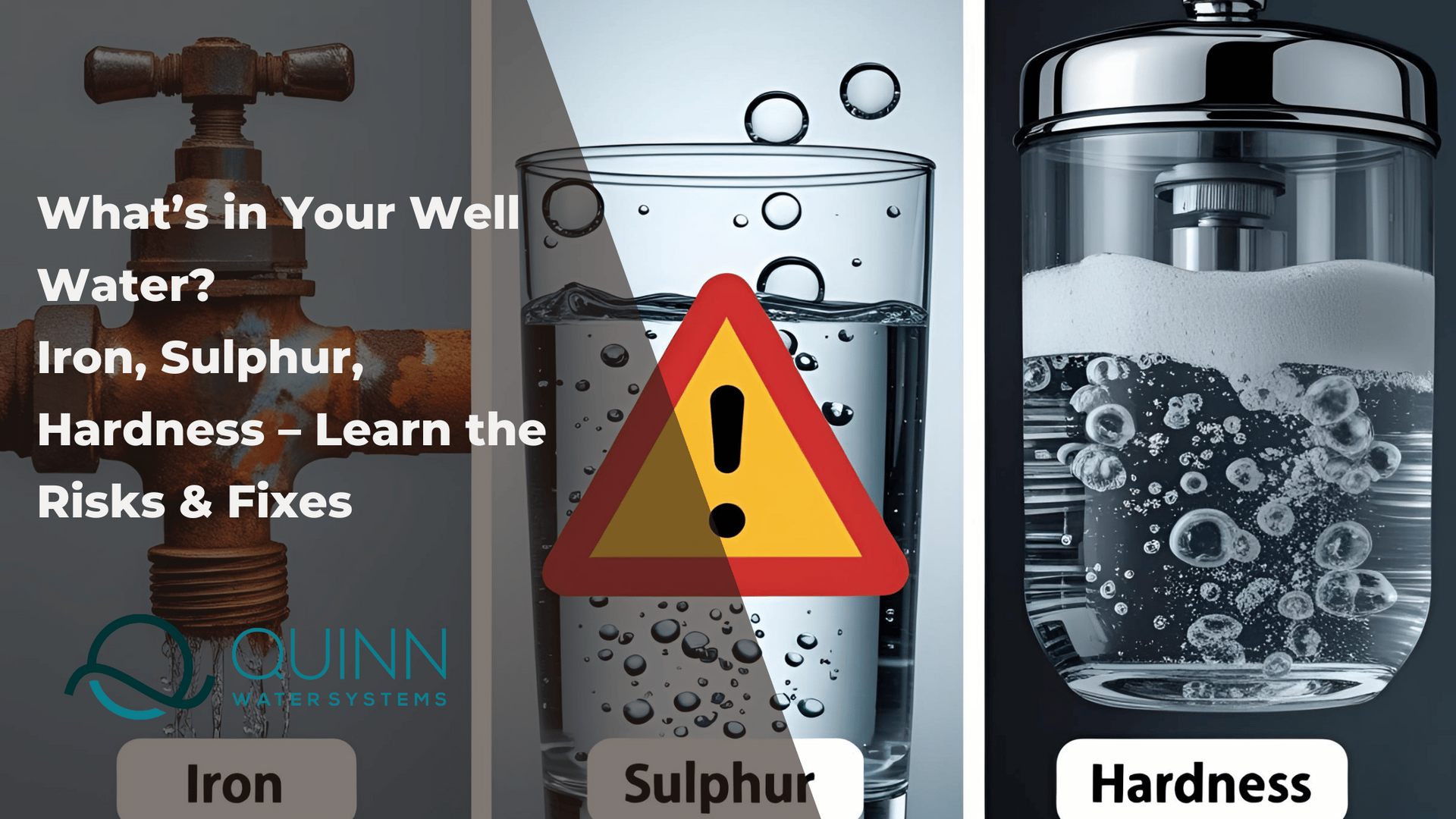
To treat iron bacteria properly, you need real numbers. At minimum, test:
- Total iron + manganese
- Hardness + pH
- Bacteria (total coliform / E. coli)
These results determine whether you need oxidation, what media makes sense, and how to size everything so your system stays reliable.
Need help diagnosing your well?
If you’re dealing with slime in the toilet tank, filters clogging fast, orange staining, or mystery odours, we can help you figure out exactly what’s happening and recommend a system that actually lasts.
Contact Quinn Water Systems for a well water assessment and treatment options tailored to your Ontario home. Tell us your symptoms and (if you have it) your latest water test—we’ll guide you to the right fix, not guesswork.
Contact Us
Share this blog
Blog Posts